
Gardening doesn’t have to be time-consuming or high-maintenance. Whether you’re working long hours, managing a full household, or just prefer a simple lifestyle, you can still enjoy a vibrant outdoor space. The secret is choosing plants that thrive with minimal care.
Below are some of the best low-maintenance outdoor plants that require little watering, pruning, or pampering—perfect for busy gardeners or beginners.
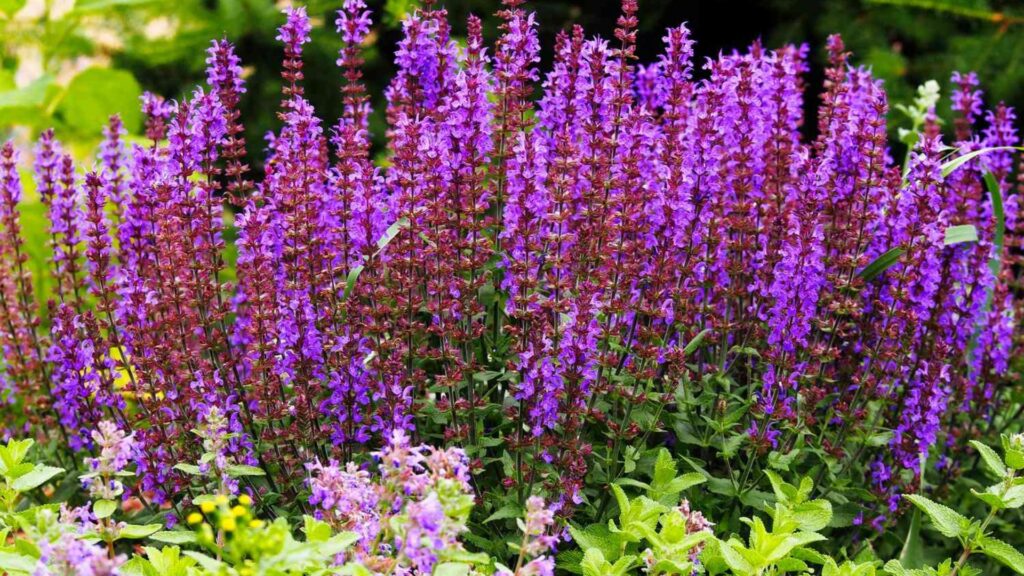
Lavender
Why it’s great:
Lavender is drought-tolerant, pest-resistant, and smells amazing. It thrives in full sun and well-drained soil.
Bonus: Attracts bees and butterflies while repelling mosquitoes.
Sedum (Stonecrop)
Why it’s great:
This succulent is perfect for dry climates and poor soil. It requires little water and spreads beautifully without taking over.
Tip: Use it in rock gardens or borders for texture and color.
Daylilies
Why it’s great:
Daylilies are almost indestructible. They tolerate drought, poor soil, and neglect, yet bloom with bright flowers throughout summer.
Low effort: Once planted, they can be left alone for years.
Hostas (For Shade Gardens)
Why it’s great:
If your outdoor space is shady, hostas are the answer. These leafy plants come in many sizes and need little more than water and mulch.
Note: They’re not drought-tolerant, but they’re very forgiving in moist, shady areas.
Yarrow
Why it’s great:
Yarrow is a flowering plant that loves sun, survives dry spells, and even improves soil health. It attracts pollinators and resists pests.
Best use: Perfect for borders and low-water gardens.
Boxwood
Why it’s great:
This evergreen shrub requires minimal trimming to keep a neat shape. It adds year-round structure to your garden.
Ideal for: Hedges, topiaries, and containers.
Russian Sage
Why it’s great:
With its silver-gray foliage and purple-blue flowers, Russian sage thrives in heat and poor soil. It’s highly drought-tolerant and deer-resistant.
Best placement: Works well in sunny, open spaces.
Coneflowers (Echinacea)
Why it’s great:
These native flowers are tough, drought-resistant, and bloom all summer. They come back each year and attract bees and butterflies.
Bonus: Their seed heads feed birds in the fall.
Juniper (Ground Cover or Shrub)
Why it’s great:
Junipers are evergreen and can be used as ground covers or low hedges. They’re heat-tolerant, need little water, and rarely have pest issues.
No-fuss landscaping: Great for slopes or dry areas.
Marigolds
Why it’s great:
Marigolds are cheerful, bloom for months, and deter pests. They’re perfect for garden borders or containers.
Simple care: Just remove old flowers to keep them blooming.
Agapanthus (Lily of the Nile)
Why it’s great:
This hardy perennial loves full sun and tolerates neglect. It produces stunning purple or white flowers with tall stems.
Great for: Tropical-looking gardens without the effort.
Hens and Chicks (Sempervivum)
Why it’s great:
These succulents are extremely easy to grow, even in poor soil. They multiply on their own and need almost no watering.
Perfect for: Rock gardens, pots, and borders.
Tips for a Truly Low-Maintenance Garden
-
Choose native plants: They’re adapted to your climate and need less care.
-
Use mulch: Mulching retains moisture, prevents weeds, and improves soil.
-
Group plants by needs: Place drought-tolerant plants together to simplify watering.
-
Install drip irrigation: Saves water and time by delivering moisture directly to roots.
-
Avoid lawn-heavy designs: Lawns require regular mowing, watering, and care.
Conclusion
You don’t need to spend hours in the garden to enjoy lush greenery and color. By choosing low-maintenance plants like lavender, sedum, daylilies, and coneflowers, even the busiest gardener can create a thriving outdoor space.
With smart plant selection and a few basic care strategies, your garden can be both beautiful and easy to maintain year-round.